Game Genre and Target user/player:
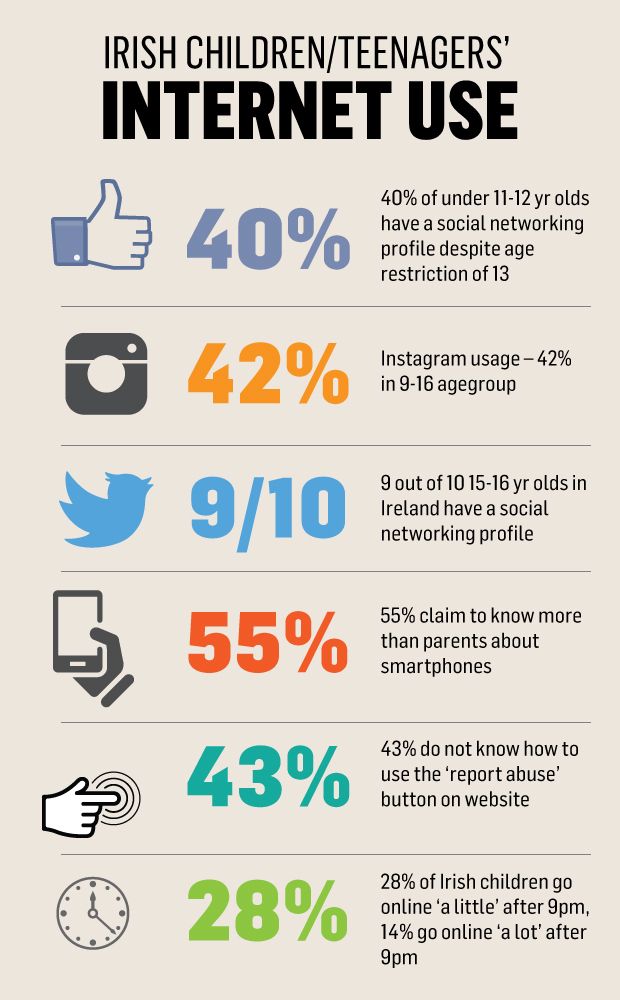
We believe our game has an educational element at its core. We are targeting Generation Y and Z who are people born between 1981 and the 2000s. We feel as though if you are around this age now you have become most susceptible to Online Addiction and we wish to highlight this to you. Yes, children now are becoming more exposed to the Internet now than ever with 55% claiming to know more about smartphones than their parents (The Irish Times, 2018). Also, we feel if we highlight this dilemma now using this game, we provide a basis for which you can rate how addicted you are to online activities.
The future is online and no one can change this, however, we can assist you in discovering a healthy level of usage of being online.
Purpose & rationale of the game:
Our game is based around the UN sustainability goal of ‘Reducing Online Addiction’ which is a serious issue with young people especially today. The purpose of the game is to make our target audience aware of this UN goal so that the desired result can be achieved by 2030.
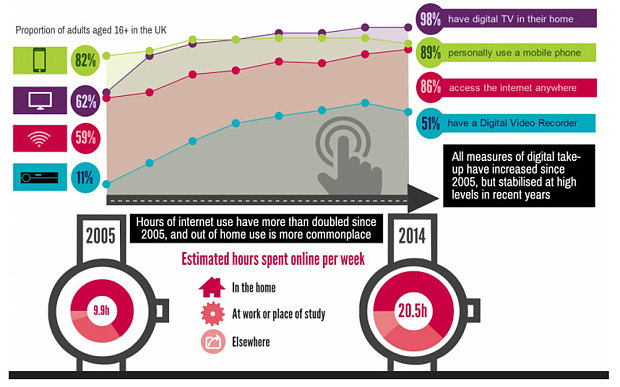
The fact that the internet is becoming practically accessible anywhere now as free Wi-Fi is available in numerous places such as in restaurants, shopping centres and schools its no wonder the worlds becoming addicted. ‘With the increasing availability of on the go wireless internet connection (4G), low cost and increased frequency of Wi-Fi available at home and out and about, this has no doubt contributed to increasing online addiction among children and student’ (Anderson 2018).

By combining gamification ‘The process of turning an activity or task into a game or something resembling a game’. (“the definition of gamification,” n.d.) and this UN sustainability goal of reducing online addiction we aim to change the statistics of online addiction through awareness.
The purpose of our game is also to get all our target users to start talking to friends and family about perhaps what their addiction score was in the game and what they’ve learned after it or how they’ll change how much they’re online. By getting the target audience spreading the word, we hope there will be more action taken by the world surrounding the problem, so this sustainability goal can reach its 2030 target.
Game link
https://www.playbuzz.com/item/311ea5b0-3bed-4b9b-9f3a-663ff1343df8
Game Summary & Game Features
As our game topic was online addiction, we decided to make a quiz which would not only show how addicted someone is to the internet, but also raise awareness for our game topic. We decided that the digital element of our project would be a personality quiz as this would best suit the game topic we had decided on. We designed the quiz to ask questions that would reveal the extent to which the player is addicted to the internet. The player must answer a series of questions and at the end they are shown the extent of their internet addiction. This would help people come to the realisation that they are addicted to the internet and allow them to have the opportunity to reduce the number of hours they spend on it. The questions are targeted to investigate the extent of the user’s online addiction. The user has an option between three answers, Seldom, Occasionally and Often. They must select the answer that most describes their situation. The answers that are selected are related to three possible outcomes, Healthy Use, May Need to Limit Use and Addicted. When they finish, the most relevant outcome comes up and the user is now aware of their online usage.
References:
The Irish Times. (2018). Report sheds light on digital addiction among Irish children. [online] Available at: https://www.irishtimes.com/news/education/report-sheds-light-on-digital-addiction-among-irish-children-1.2096183 [Accessed 5 Dec. 2018].
the definition of gamification [WWW Document], n.d. . http://www.dictionary.com. URL https://www.dictionary.com/browse/gamification (accessed 12.3.18).
Anderson, E. (2018). Teenagers spend 27 hours a week online: how internet use has ballooned in the last decade. [online] Telegraph.co.uk. Available at: https://www.telegraph.co.uk/finance/newsbysector/mediatechnologyandtelecoms/digital-media/11597743/Teenagers-spend-27-hours-a-week-online-how-internet-use-has-ballooned-in-the-last-decade.html [Accessed 28 Nov. 2018].
 ADDICTED